Backflow Testing & Prevention in San Marcos, CA
A backflow preventer stops contaminated water from siphoning back into the clean water supply, required on irrigation systems and certain plumbing configurations, and in many California jurisdictions subject to mandatory annual testing to confirm it's still functioning correctly.
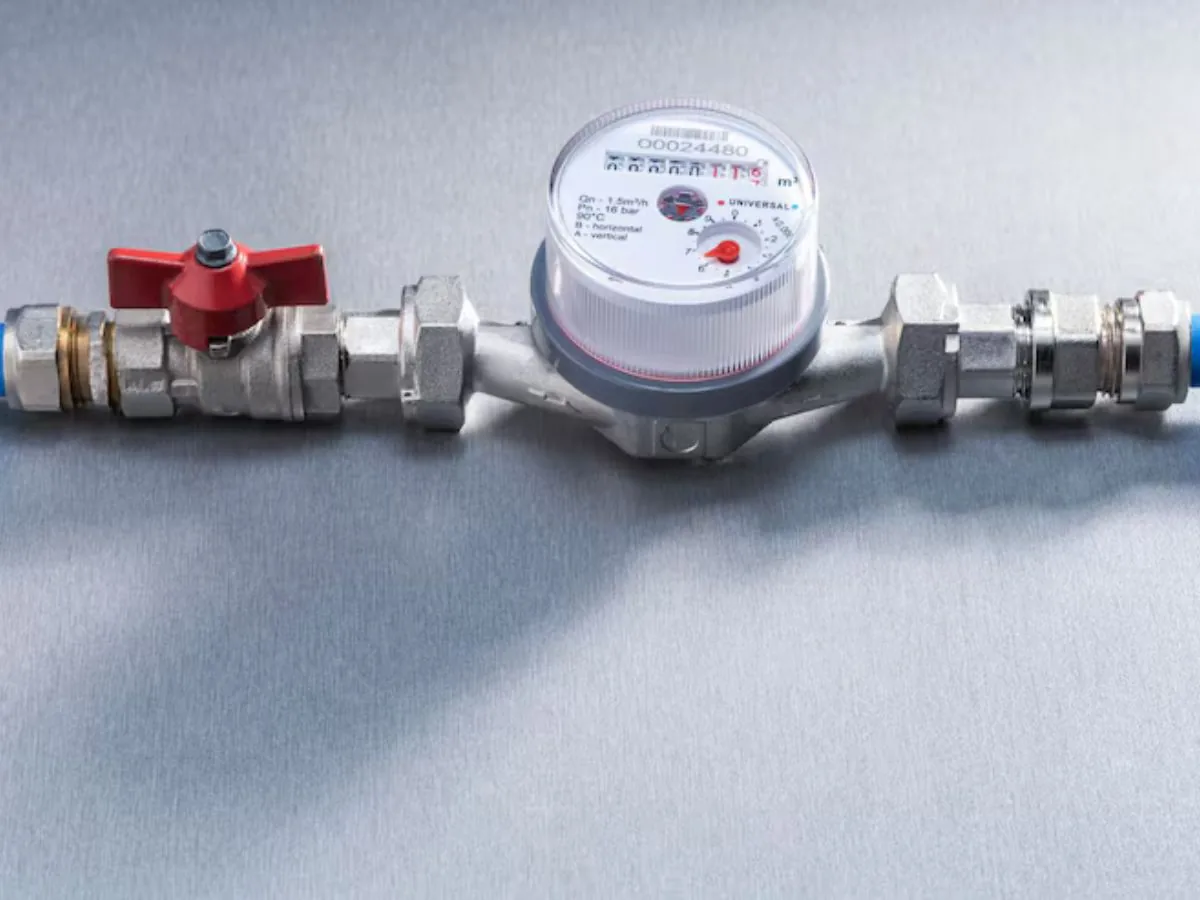
How We Diagnose the Problem
Testing checks whether the device's internal check valves are holding pressure correctly and not allowing water to flow backward under the conditions that would normally cause backflow (a pressure drop in the main supply, for example). A device that fails testing isn't necessarily obvious from the outside, the internal seals or springs can wear out well before there's any visible sign, which is exactly why annual testing rather than visual inspection is the standard.
Signs You Need This Service
- An annual testing notice from your water provider or municipality
- An irrigation system installed without a previously tested backflow preventer
- Visible corrosion or leaking at the backflow device itself
- A new irrigation or fire sprinkler system that needs an initial device installed
- A property changing hands where backflow compliance documentation is requested
Backflow Testing & Prevention Pricing & What Affects It
Routine annual testing on an existing device is a straightforward service call. If a device fails testing and needs a repair kit or full replacement, that's priced separately once the specific failure is identified, most jurisdictions give a window to complete the repair and retest rather than requiring same-day replacement.
Why Backflow Testing Is Required Annually
Backflow preventers are mechanical devices with internal springs and seals that wear over time, and a device that's failed can allow contaminated water, from irrigation chemicals, for instance, to be pulled back into the drinking water supply under certain pressure conditions. Annual testing is the standard way water providers confirm these devices are still doing their job, since failure isn't reliably visible from the outside.
Types of Backflow Preventers
Different configurations (double check valve assemblies, reduced pressure zone assemblies, and others) are required depending on the level of hazard involved, an irrigation system with fertilizer injection typically requires a higher level of protection than a simple residential hose bib. The correct device type is determined by what it's protecting against, not a one-size-fits-all choice.
Reporting Results to Your Water Provider
Most municipalities require test results to be submitted directly to the water provider or a certified testing database, not just kept as a personal record, that reporting step is handled as part of the testing service so the property stays in compliance without extra steps on your end.
New Irrigation Systems Need Testing From Day One
A newly installed irrigation or fire sprinkler system requires an initial backflow test before it's considered compliant, not just an annual test starting the following year, this initial certification is easy to overlook during a landscaping project focused on the irrigation design itself rather than the plumbing compliance side of it.
What a Certified Tester Actually Checks
Testing involves attaching calibrated test gauges to the device and running it through a specific sequence that checks each internal check valve and relief mechanism independently under controlled conditions, rather than a simple visual inspection. Results are recorded precisely, since most water providers require the exact pressure readings, not just a pass or fail determination, as part of the compliance record submitted on your behalf.
Commercial vs. Residential Backflow Requirements
Commercial properties often face stricter backflow requirements than residential ones, particularly for connections involving boilers, fire suppression systems, or any process that could introduce contaminants into the water supply at a larger scale than a typical residential irrigation setup. Confirming which category and hazard level applies to a specific property is part of determining the correct device and testing frequency.
Scheduling Testing Around Your Water Provider's Deadline
Most water providers send a renewal notice ahead of the annual testing deadline, but scheduling early rather than waiting until close to that date gives more room to address a failed test and retest before the compliance window closes, avoiding the risk of a water service disruption or penalty for missing the deadline entirely.
Frequently Asked Questions
Requirements are typically set at the municipal or water district level in California, and specifics can vary by jurisdiction within San Diego County, we confirm what applies to your property when we test.
You'll typically get a window to have it repaired or replaced and retested, rather than an immediate shutoff, the specific timeline depends on your water provider's policy.
Some plumbing configurations beyond irrigation also require one, such as certain commercial connections or fire sprinkler systems, worth confirming based on your specific property setup.