Gas Line Installation & Repair in San Marcos, CA
Gas line work carries safety stakes that other plumbing services don't, which is why any suspected gas leak is treated as an immediate priority call rather than a scheduled appointment, and why installation and repair both follow strict code requirements rather than shortcuts.
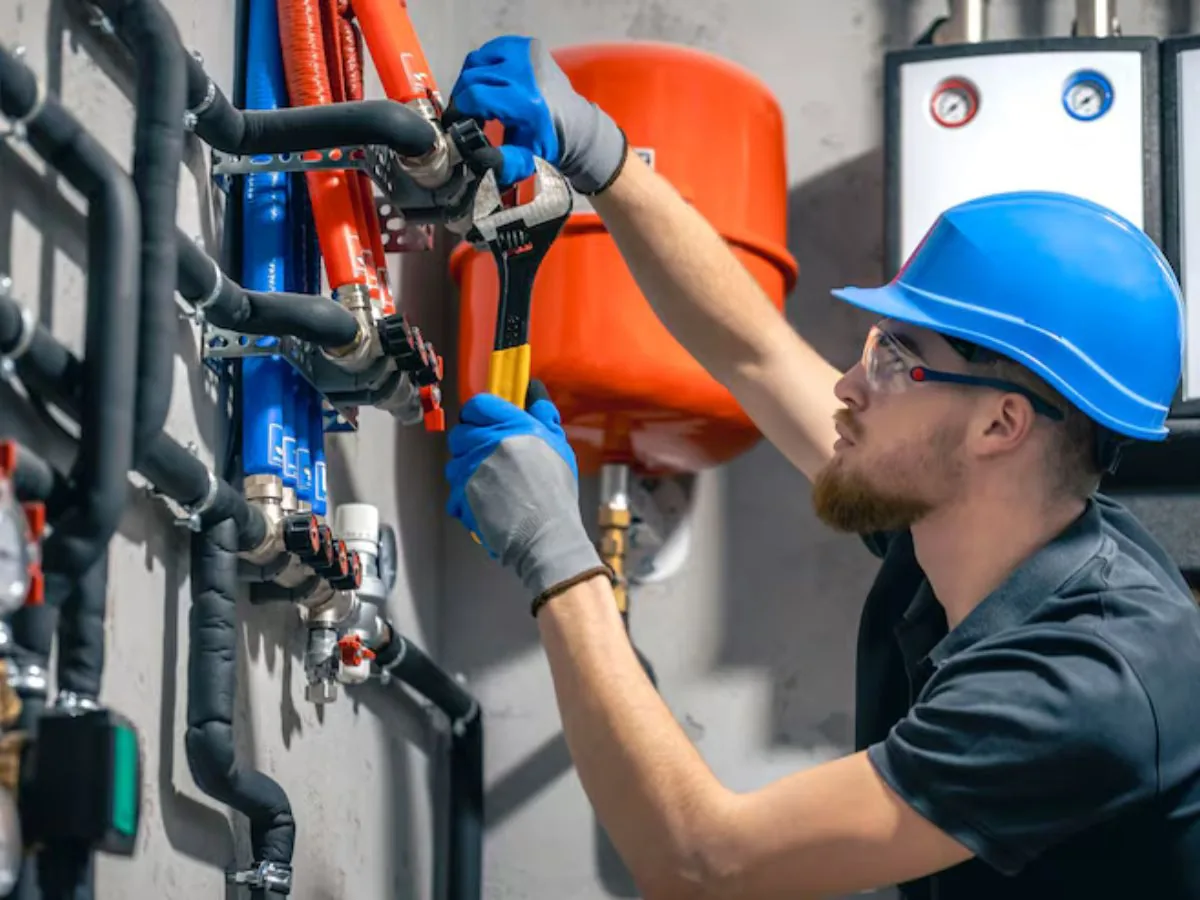
How We Diagnose the Problem
A suspected gas leak is diagnosed using a combination of gas detection equipment and a methodical check of all connections, fittings, and appliance hookups along the line, since even a small leak at a single fitting can be a genuine hazard. New line installations for an added appliance, a range, a tankless water heater, an outdoor fire feature, start with confirming the existing line has adequate capacity for the additional load.
Signs You Need This Service
- A rotten-egg smell, which is the additive used to make natural gas leaks detectable
- A hissing sound near a gas line or appliance connection
- Dead or discolored vegetation in an unexplained patch near a buried gas line
- A pilot light that won't stay lit on a gas appliance
- Wanting to add a new gas appliance and needing a line extended to it
Gas Line Installation & Repair Pricing & What Affects It
Emergency leak response and repair pricing reflects the urgent nature of gas safety issues. New line installation or extension is priced based on length, required permits, and whether the existing gas meter and main line have sufficient capacity for the added appliance.
If You Smell Gas
A suspected gas leak warrants leaving the area, avoiding anything that could create a spark (including light switches), and calling from outside the home rather than investigating further yourself. This is treated as an emergency priority call, not a routine appointment.
Permits and Code Requirements
Gas line installation and modification in California requires permits and inspection, given the safety stakes involved, this isn't a step that gets skipped even for a seemingly simple line extension to a new appliance.
Sizing a Gas Line for a New Appliance
Adding a high-demand gas appliance, like a tankless water heater or an outdoor grill with a significant BTU rating, sometimes requires upsizing the existing gas line rather than simply tapping into it, confirmed by calculating total connected load against the line's actual capacity before installation begins.
Aging Gas Lines in Older Homes
Older gas lines, particularly if made of aging black iron pipe with numerous joints, can develop small leaks at fitting connections over decades of service, a full line replacement is sometimes the more sensible long-term fix compared to repeatedly repairing individual fittings on a line that's reaching the end of its service life.
Outdoor Gas Line Extensions
Extending a gas line outdoors for a fire pit, outdoor kitchen, or pool heater involves the same capacity calculations as an indoor extension, plus additional considerations for burial depth, protective sleeving where the line crosses under a walkway or patio, and weatherproof fittings at the connection point, details that matter for both safety and passing inspection.
Gas Leak Detection Equipment vs. the Smell Test
While the rotten-egg additive smell is the most common way a leak is first noticed, electronic gas detection equipment can identify smaller leaks below the threshold of human smell, or pinpoint the exact fitting responsible when a general odor is present but the source isn't obvious, this equipment is standard on any gas-related service call, not just larger suspected leaks.
Appliance Shutoff Valves
Each gas appliance should have its own accessible shutoff valve, which allows that specific appliance to be serviced or replaced without shutting off gas to the entire home, older installations sometimes lack these individual valves, and adding them during any gas line work is a straightforward improvement worth including.
Flexible vs. Rigid Gas Line Materials
Corrugated stainless steel tubing (CSST) offers more installation flexibility around framing compared to rigid black iron pipe, though it requires specific bonding and grounding per code to address lightning-related risks, the choice between materials depends on the specific installation requirements rather than one being universally preferred.
Frequently Asked Questions
Leave the area immediately, avoid creating any spark (including light switches), and call from outside rather than investigating yourself, this is treated as an emergency.
Yes, gas line work in California requires permits and inspection given the safety considerations involved.
It depends on the line's current size and what else is connected to it, this is calculated based on total connected load before installation.