Toilet Repair & Installation in San Marcos, CA
A toilet that runs constantly, rocks slightly when you sit down, or leaks at the base are among the most common household plumbing calls, and while some of these are quick fixes, a few are signs of a bigger issue worth catching early.
How We Diagnose the Problem
A running toilet almost always traces to a worn flapper or fill valve, both inexpensive parts. A toilet that rocks or leaks at its base, however, often points to a failed wax ring seal or, in some cases, a cracked flange, the difference matters because one is a simple reseal and the other may involve subfloor damage from water that's been leaking underneath, unnoticed, for some time.
Signs You Need This Service
- A toilet that runs intermittently or continuously without being flushed
- Rocking slightly when you sit down or stand up
- Water pooling at the base after flushing
- A weak or incomplete flush that requires multiple attempts
- Visible cracks in the tank or bowl
Toilet Repair & Installation Pricing & What Affects It
Flapper and fill valve repairs are inexpensive. A reseal is more involved but still moderate in cost. Full toilet replacement, or any job that reveals subfloor water damage once the toilet is removed, is priced once the actual extent is visible, which is why an on-site look matters even for something that sounds simple over the phone.
Why a Rocking Toilet Isn't Just Cosmetic
A toilet that rocks even slightly means the wax ring seal underneath isn't making full, even contact with the drain flange, which allows small amounts of water to leak with every flush, often for months before it's noticeable, during which time the subfloor underneath can be absorbing water and beginning to soften or rot. Catching this early, before the subfloor is affected, is a meaningfully smaller repair.
Older Toilets and Water Efficiency
Toilets manufactured before the mid-1990s often use significantly more water per flush than modern models, and replacing an older unit with a WaterSense-rated toilet can reduce water usage substantially, a relevant consideration in California given ongoing water conservation priorities in the region.
Toilet Installation in Older vs. Newer Bathrooms
Installing a new toilet in an older bathroom sometimes reveals that the flange height or rough-in distance doesn't match modern standard toilets exactly, which needs to be addressed during installation rather than discovered after the fact with a toilet that doesn't sit correctly.
Choosing Between Two-Piece and One-Piece Toilets
A two-piece toilet (separate tank and bowl) is generally less expensive and easier to service since individual parts can be replaced without swapping the whole unit, while a one-piece toilet has fewer seams to clean and a lower profile, a straightforward tradeoff worth discussing before replacement rather than defaulting to whichever the previous unit was.
Flushing Mechanism Differences
Gravity-fed and pressure-assisted flush systems clear waste differently, with pressure-assisted toilets generally offering a more forceful flush at the cost of being somewhat louder, a relevant consideration for a bathroom near a bedroom versus one in a more isolated part of the house.
Wax Ring vs. Wax-Free Seals
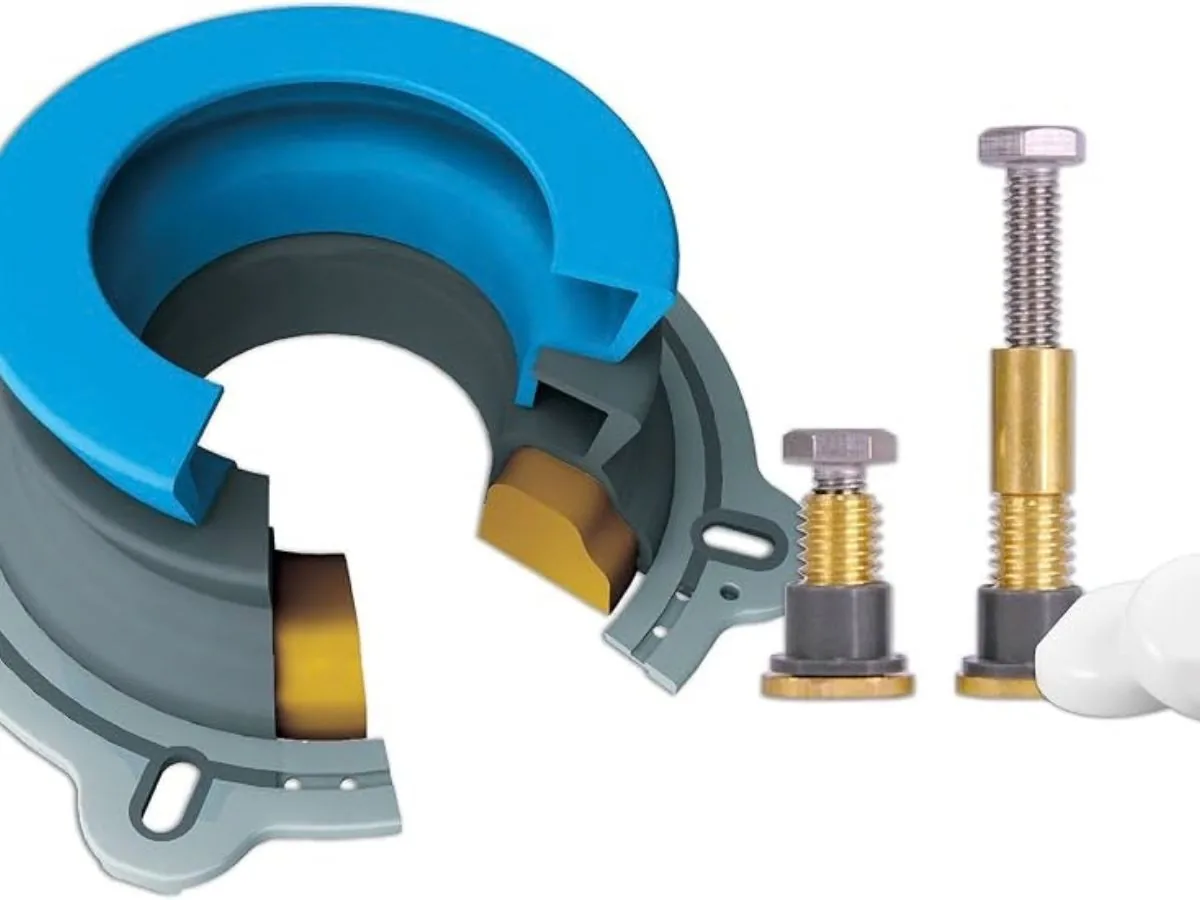
Traditional wax rings have been the standard toilet base seal for decades, but newer wax-free options using foam or rubber gaskets are also available and can be a better fit in certain situations, such as when a toilet needs to be removed and reset more than once during other bathroom work, worth discussing when a reseal is being done for reasons beyond a simple leak.
Comfort Height vs. Standard Height Toilets
Comfort-height (or "ADA-height") toilets sit taller than standard models, which many people find more comfortable, particularly for accessibility needs, this is a straightforward preference to factor in during replacement since it doesn't affect the underlying rough-in plumbing.
Frequently Asked Questions
No, intermittent running usually means the flapper isn't sealing fully or the fill valve is slightly overfilling the tank, both inexpensive fixes worth addressing since they waste water continuously.
Yes, if it's been leaking for a while, water seeping under the base can soften subfloor material over time, which is why addressing a rocking or leaking toilet promptly matters.
A standard replacement is typically completed in under two hours, assuming no subfloor damage or rough-in mismatch is discovered during the removal process.
Yes, removal and disposal of the old fixture is included as part of a standard replacement job.