Water Mitigation in San Marcos, CA
Water mitigation is the immediate, first-hours response to an active water event, stopping the source where possible, extracting standing water, and containing the affected area before the fuller restoration and drying process begins. It's the step that happens first, and it's often the single biggest factor in how much total damage a water event ends up causing.
How We Diagnose the Problem
The first priority in mitigation is containment: identifying how far water has already spread and taking steps to stop it from reaching additional rooms or materials, including barriers, extraction of standing water, and shutting off the water source if that hasn't already been done. This happens before any detailed damage assessment, because every additional hour of spread increases the eventual restoration scope.
Signs You Need This Service
- Active standing water from a burst pipe, appliance failure, or storm intrusion
- Water actively spreading toward additional rooms or flooring
- A supply line or appliance connection that's failed and is still running
- Water intrusion from outside during heavy rain
- Any situation where water is currently accumulating rather than already stopped
Water Mitigation Pricing & What Affects It
Mitigation is typically priced separately from the full restoration that follows, since it's an urgent, time-sensitive response rather than a scheduled job. The faster mitigation begins after an event, the smaller the eventual restoration scope tends to be, which is the direct financial argument for treating this as an emergency call rather than waiting.
Mitigation vs. Restoration, Where One Ends and the Other Begins
Mitigation is the urgent, same-hour response: stop the spread, extract standing water, begin initial containment. Restoration is the longer process that follows, structural drying, assessing which materials can be saved versus need replacement, and returning the space to its pre-loss condition. Many events involve both, in that order, but they're distinct phases with different urgency levels.
Why the First Few Hours Matter Most
The relationship between response time and total damage isn't linear, water that's extracted within the first few hours often causes dramatically less lasting damage than the same volume left unaddressed overnight, because material saturation and the window for mold growth both compound over time rather than staying constant.
Coordinating With the Underlying Plumbing Repair
If the water event was caused by a plumbing failure, a burst pipe or failed water heater connection, that repair is generally handled as a separate call to fix the actual source, while mitigation addresses the water that's already released. Dispatch can help coordinate both when a single event requires them.
What Gets Assessed During Initial Mitigation
Beyond the visible standing water, initial mitigation includes checking for water that's traveled into wall cavities, under flooring, or into adjacent rooms, the parts of a water event that aren't obvious just from looking at the room where the failure occurred, but which determine the true scope of what needs to be addressed.
Content Protection During Mitigation
Beyond structural containment, mitigation often includes moving or elevating furniture, electronics, and other belongings out of the affected area to prevent further damage while extraction and initial drying take place, a step that's easy to overlook in the urgency of the moment but that meaningfully reduces total loss.
Mitigation for Repeat or Ongoing Sources
Some water events aren't a single sudden failure but an ongoing, slower intrusion, a persistent roof leak during rain, for instance, where mitigation includes both addressing the current water and flagging that the root cause needs its own separate resolution to prevent the same mitigation call from repeating with the next rain event.
Odor Control During Mitigation
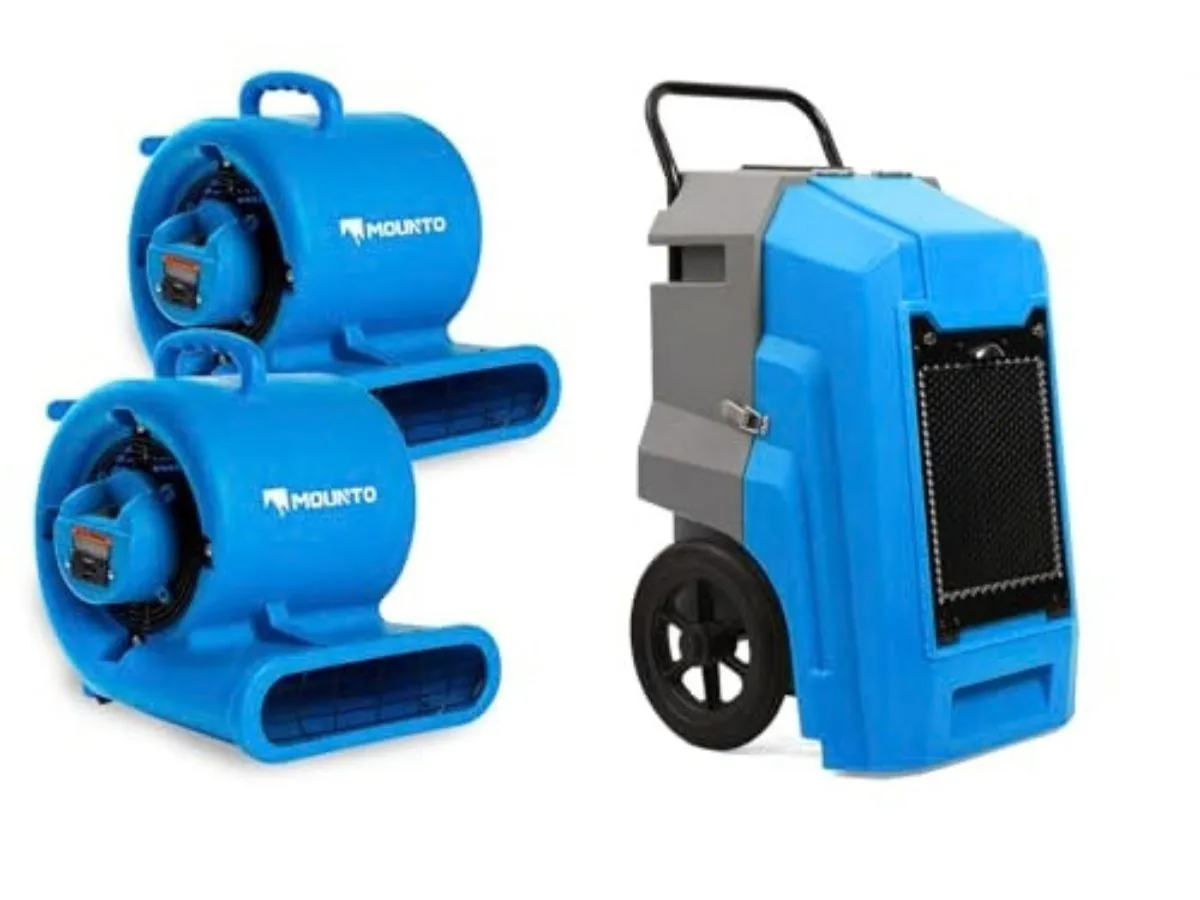
Standing water, especially if it's been present for more than a day, can develop odor that lingers even after visible water is extracted, air scrubbers and antimicrobial treatments are sometimes used alongside drying equipment specifically to address this, rather than assuming odor will resolve on its own once the space looks dry.
Frequently Asked Questions
Yes, mitigation is the immediate response to stop and contain an active water event; restoration is the longer process of drying and repairing everything the water affected. Mitigation typically happens first.
This is dispatched as an emergency call with round-the-clock availability, since response speed directly affects how much total damage occurs.
That's usually a separate plumbing repair call handled through the standard number, since it's a distinct service from mitigation, dispatch can help coordinate both.