Burst Pipe Repair in San Marcos, CA
A burst pipe is one of the clearest true emergencies in plumbing, active, uncontrolled water release that needs an immediate response, both to stop the flow and to limit how much water damage accumulates before it's addressed.
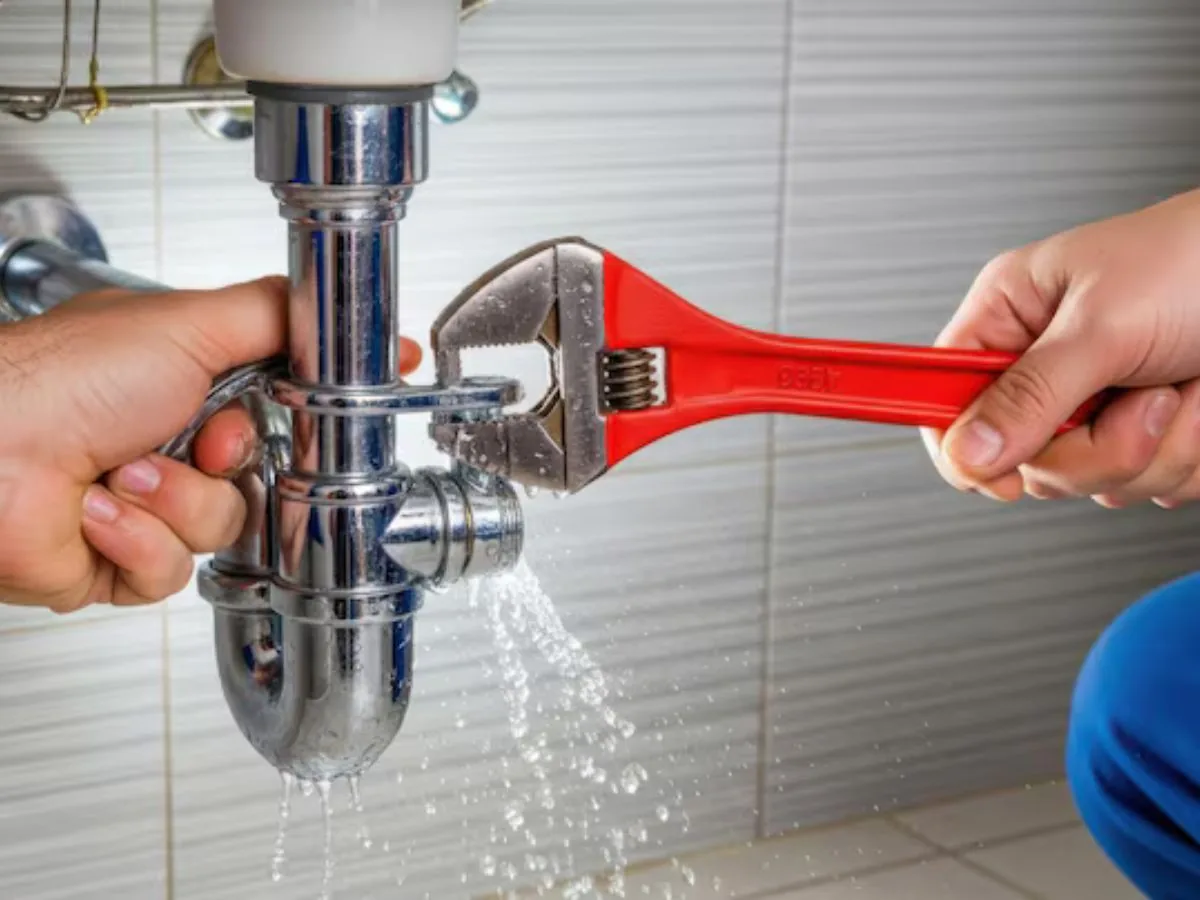
How We Diagnose the Problem
The first step on any burst pipe call, before diagnosing the underlying cause, is stopping the water, locating and shutting the nearest shutoff valve, or the main if a local valve isn't accessible. Once the flow is stopped, diagnosis turns to why the pipe failed: sudden pressure spike, age-related corrosion (common in older galvanized lines), or, less commonly in this region but still possible, physical damage from other work done nearby.
Signs You Need This Service
- Active, uncontrolled water flow from a pipe
- A sudden, dramatic drop in water pressure throughout the house
- Water actively coming through a ceiling or wall
- The sound of rushing water from within a wall or floor
- Visible pipe damage after nearby construction or freeze events
Burst Pipe Repair Pricing & What Affects It
Emergency repair pricing reflects the urgent, often after-hours nature of the call. The underlying repair cost depends on pipe material, location, and accessibility, a burst section in an accessible wall is a more straightforward fix than one requiring slab or extensive drywall access.
What to Do in the First Minutes
Shutting off the water at the nearest local valve, or the home's main shutoff if needed, is the single most important action before anyone arrives, every minute of delay adds to both water damage and the eventual cleanup scope. Knowing the location of the main shutoff valve in advance, before an emergency happens, is worth confirming for any homeowner.
Why Older Galvanized Pipe Bursts More Often
Galvanized steel pipe corrodes from the inside out over decades, gradually thinning the pipe wall until a section fails suddenly under normal water pressure, which is why a burst pipe in an older San Marcos home is frequently the first visible sign of broader galvanized pipe deterioration, not an isolated incident.
Repair vs. the Case for Repiping
A single burst pipe is typically repaired as its own job, but if it's happened on an older galvanized system, that failure is often a signal that other sections of the same-age pipe are approaching similar failure, worth an honest conversation about repiping rather than treating each burst as an isolated event.
Freeze-Related Bursts in San Marcos
Freezing temperatures are rare in San Marcos compared to much of the country, but the occasional cold snap can still burst exposed or poorly insulated pipe sections, particularly on exterior walls or in unconditioned spaces like garages, since local homes and plumbing are generally not built with the same freeze protection standard as colder-climate construction.
Water Damage Cleanup After a Burst Pipe
Once the immediate burst is repaired, the water it released still needs to be addressed, extraction, drying, and assessing which materials were affected. That cleanup and drying work is handled as a separate restoration service from the pipe repair itself, and for significant flooding events it's worth starting that process quickly, since material damage and mold risk both increase the longer affected areas stay wet.
Preventing Future Bursts on the Same System
Once a burst is repaired, it's worth asking whether the underlying cause, high water pressure, an aging galvanized system, or a specific vulnerable section like an exterior wall, is likely to cause another failure elsewhere. A pressure-reducing valve, for instance, is a relatively inexpensive fix if sustained high household water pressure was a contributing factor, and can meaningfully reduce the odds of a repeat event on fittings and pipe throughout the home.
Shutting Off Water to a Single Fixture vs. the Whole House
If the burst is isolated to a specific fixture or an accessible section with its own local shutoff valve, closing that valve alone can stop the flow without cutting off water to the entire house, worth checking before assuming the main shutoff is the only option, since it can mean the rest of the household keeps running water while the repair is completed.
Frequently Asked Questions
It's typically located near where the water line enters the house, often in a basement, utility closet, or near the water heater, worth locating and testing before an emergency, not during one.
This is treated as an emergency dispatch with round-the-clock availability, given how quickly water damage accumulates.
It depends on the pipe's location, an accessible section needs less opening than one buried deeper in a wall or slab, which is confirmed once the burst location is identified.