Water Damage Restoration in San Marcos, CA
Water damage restoration is a different service from plumbing repair, it's the cleanup, extraction, and structural drying that follows flooding or a major leak, not the repair of the pipe or fixture that caused it. A burst pipe itself is a plumbing repair job; the soaked drywall, flooring, and materials it left behind are a restoration job, and the two are often handled as separate calls even when they stem from the same event.
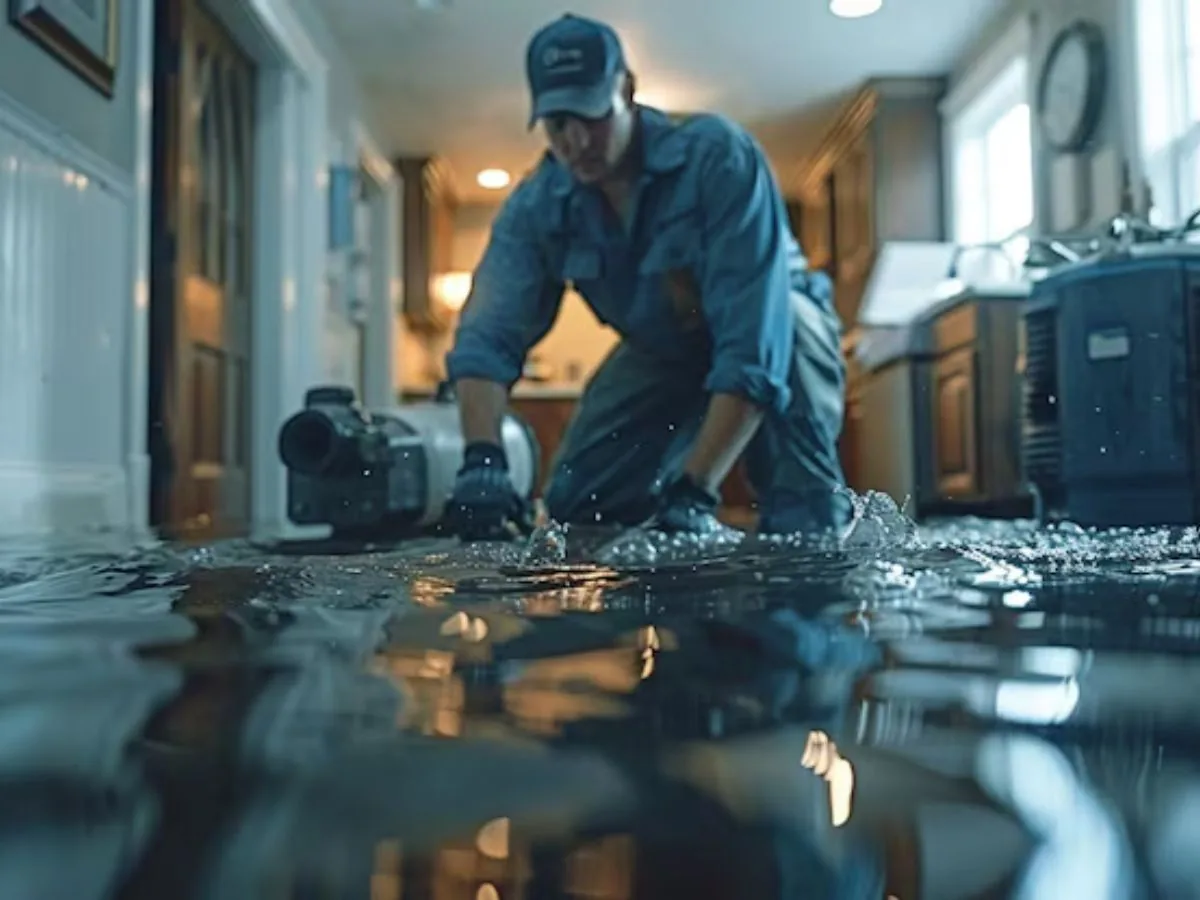
How We Diagnose the Problem
Response starts with assessing how far water has traveled and what's actually been affected, visible surface water is often only part of the picture, since water wicks into drywall, subflooring, and framing beyond what's immediately visible. Moisture meters are used to map the true extent of saturation before extraction and drying equipment placement, rather than guessing based on what's visibly wet.
Signs You Need This Service
- Standing water anywhere inside the home
- Soaked carpet, drywall, or flooring after a leak or flooding event
- A musty odor developing in an area that was recently wet
- Warped or buckling flooring near a known leak source
- Visible water staining on ceilings or walls
Water Damage Restoration Pricing & What Affects It
Restoration scope depends on how much material has been affected and for how long the water was present before response began, a same-day response to standing water is a smaller job than water that sat for days and allowed for further material damage or mold growth. An on-site assessment determines the actual scope before any pricing is given.
Water Damage Restoration Is Not the Same as Plumbing Repair
This distinction matters for how a call gets handled: fixing a burst pipe, a failed water heater connection, or a broken supply line is plumbing repair work. Extracting the water that pipe released, drying out the structure, and addressing any resulting mold risk is restoration work. Both may be needed after the same incident, but they're distinct services, and this page covers only the restoration side.
Why Response Time Matters
Material saturation and mold risk both increase significantly the longer water sits, the same volume of water causes meaningfully less lasting damage if extraction begins within hours rather than days. That's the reason this service is staffed for round-the-clock dispatch rather than standard business hours only.
What the Restoration Process Typically Involves
After the initial assessment and moisture mapping, standing water is extracted first, followed by placement of industrial air movers and dehumidifiers to dry the affected structure over the following days. Materials that have absorbed water beyond a recoverable point, certain types of drywall, insulation, or flooring underlayment, are identified and removed rather than dried in place, since attempting to dry saturated material that won't structurally recover just delays the eventual repair and increases mold risk in the meantime.
Mold Risk After Water Exposure
Mold growth can begin within roughly 24 to 48 hours in a warm, damp environment, which is part of why the drying phase isn't just about comfort or appearance, it's a direct factor in whether mold remediation becomes a second, separate problem on top of the original water event. Areas that were wet and are now visually dry can still carry elevated moisture inside wall cavities, which is why moisture meters continue to be used through the drying process rather than stopping once surfaces look dry.
Documenting Damage for Insurance
Photographing and documenting the extent of water damage before extraction and drying begins is standard practice, since it supports a homeowner's insurance claim and gives an accurate before-and-after record. Moisture readings taken throughout the drying process also serve as evidence that materials were dried to an appropriate standard rather than assumed dry by appearance alone.
Frequently Asked Questions
Often yes for sudden events like a burst pipe, though coverage details vary by policy, that's a conversation with your insurance provider, and documentation from the restoration assessment can support a claim.
It depends on how much material was affected and how long the water was present before response began; a scope assessment on-site gives a realistic timeline rather than a generic estimate.
That's typically handled as a completely separate plumbing repair call placed directly to the standard phone number listed, since it's a distinct service from restoration, though dispatch can help coordinate both if that's genuinely needed.