Leak Detection in San Marcos, CA
Most leak-detection calls start the same way: something is clearly wrong, a water bill that's climbed with no explanation, a meter that keeps spinning with every fixture in the house off, a warm or damp spot on the floor, but the caller genuinely doesn't know where the water is actually coming from yet. Finding that location is the entire job before any repair conversation starts.
How We Diagnose the Problem
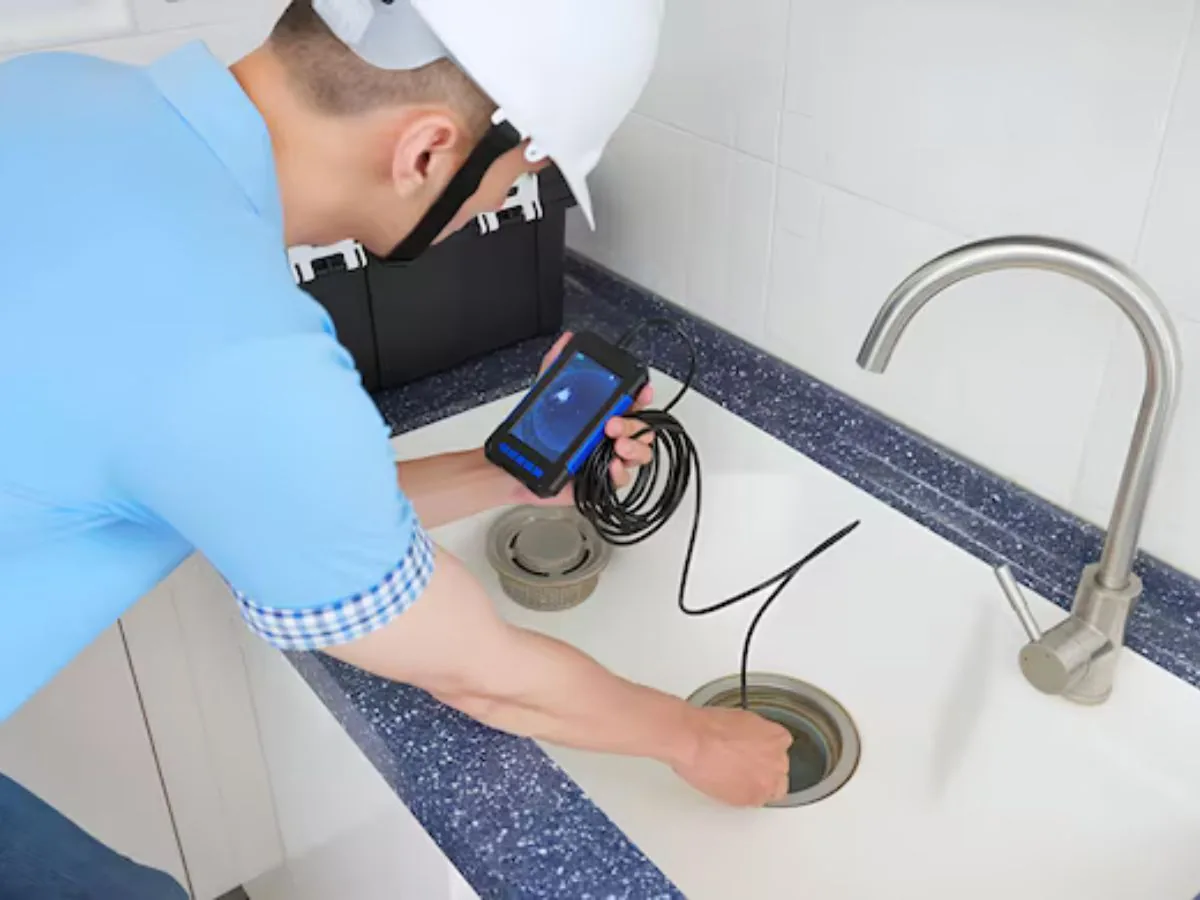
Leak detection uses acoustic listening equipment, and where warranted, thermal imaging, to locate a leak's actual position without guessing or opening walls speculatively. A leak under a slab shows up differently than one behind a wall or under a yard, and using the wrong detection method wastes time and can lead to unnecessary demolition in the wrong spot.
Signs You Need This Service
- A water bill that's increased without a corresponding change in usage
- The water meter continuing to turn with every fixture in the house shut off
- A warm spot on the floor (often a sign of a hot-water slab leak)
- A damp or moldy smell with no visible standing water
- The sound of running water when nothing is turned on
Leak Detection Pricing & What Affects It
Leak detection is typically priced separately from the eventual repair, since the location and cause aren't known until the detection is done. Once the leak is located, the repair quote reflects the actual access required, a slab leak needs a very different approach than a leak behind an accessible wall panel.
Acoustic Detection vs. Guesswork
Before acoustic and thermal detection equipment became standard, locating a hidden leak often meant opening drywall or concrete in the general suspected area and hoping to find it. Acoustic listening equipment picks up the specific sound signature of pressurized water escaping a pipe, which narrows the location enough that any necessary opening is targeted rather than exploratory.
Slab Leaks Get Their Own Detection Approach
A leak under a concrete slab foundation behaves differently from one in a wall cavity, the water can travel along the slab before surfacing, which means the spot where you see dampness isn't necessarily where the leak actually is. This is covered in more depth on our slab leak detection page, but it's worth knowing up front if you're seeing a warm or damp spot on a slab-foundation home.
What Happens After the Leak Is Found
Once located, you'll get a clear picture of what's involved in the repair, whether it's a simple accessible fix or something that requires more significant access, before any repair work is authorized. Detection and repair are two separate decisions, made in that order.
Why the Water Meter Is the First Diagnostic Tool
Before any equipment is brought out, a straightforward meter test often confirms whether a leak exists at all and roughly where it sits in the system: shutting off every fixture and the main shutoff valve inside the house, then watching whether the meter still moves, tells you whether the leak is between the meter and the house (the service line) or somewhere inside the home's own plumbing. That single test meaningfully narrows what detection equipment gets used next.
Underground and Yard Leaks
A leak in the line running from the meter to the house, or in an irrigation line, can surface as wet or unusually green patches in the yard well before it's obvious anywhere inside. These are located with the same acoustic methods used indoors, adjusted for the fact that the pipe is buried rather than behind drywall.
Commercial and Multi-Unit Leak Detection
Leak detection on a commercial property or multi-unit building follows the same acoustic principles but usually involves a larger footprint and more potential source points, shared supply lines, multiple water heaters, or irrigation systems serving a larger lot. Scheduling and access coordination differ from a single-family home call, but the underlying detection approach is the same.
Frequently Asked Questions
In most cases, yes, acoustic and thermal detection locate the leak without exploratory demolition. Some opening is usually still required for the repair itself, but it's targeted to the confirmed location.
Modern acoustic detection typically narrows a leak's location to a small, specific area rather than a general zone, which is what allows for a targeted rather than exploratory repair.
That's still within scope, leaks on the service line between the meter and the house are detected and addressed the same way as leaks inside the home.