Water Heater Repair in San Marcos, CA
No hot water, a puddle forming near the tank, or a unit that's making noise it didn't used to make: water heater problems in San Marcos have a common thread that's specific to this area: hard water accelerates almost every failure mode a tank can have.
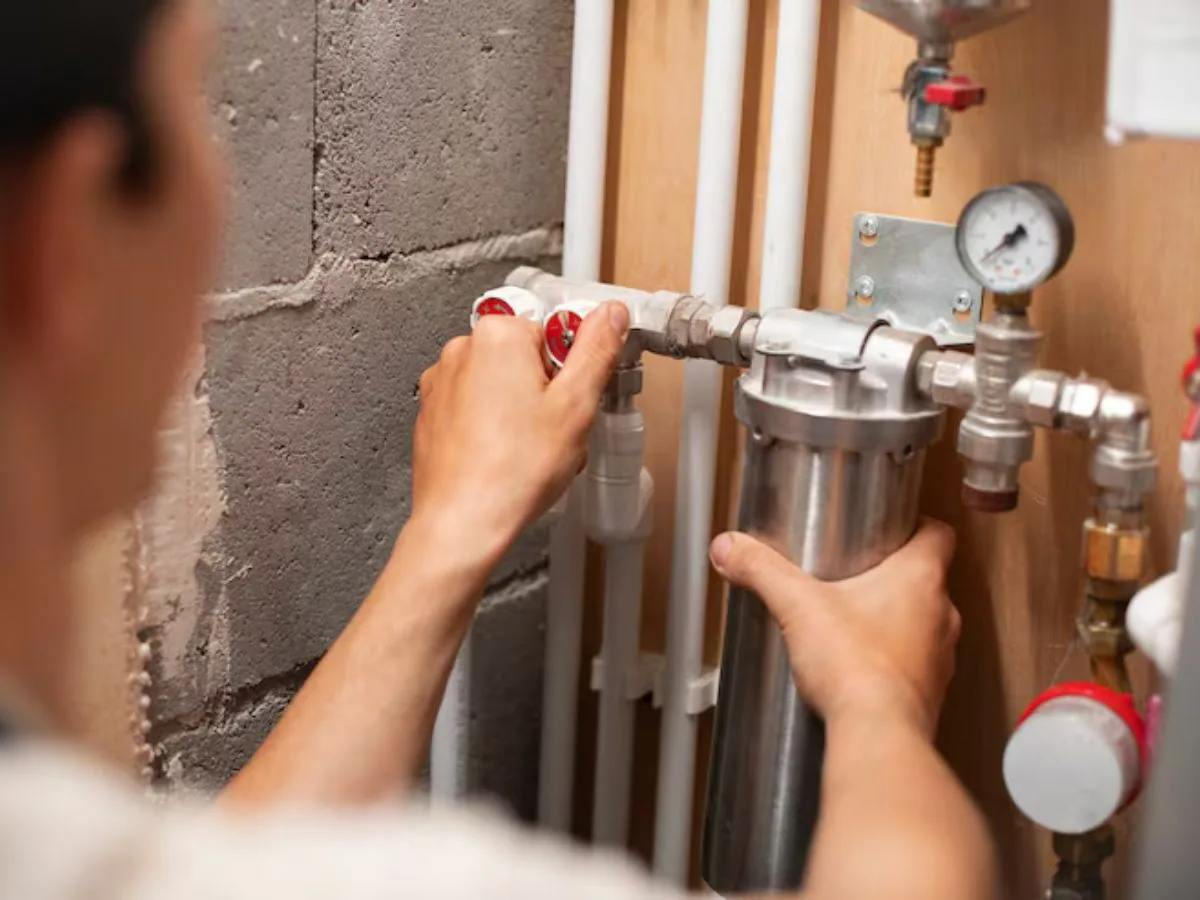
How We Diagnose the Problem
A water heater that's failing shows a handful of distinct symptoms depending on what's actually wrong: a leak at the base of the tank usually means the tank itself has failed and needs replacement, while a leak higher up near a fitting or valve is often a repairable connection. Reduced hot water without a leak often points to sediment buildup insulating the heating element from the water above it, a direct result of San Diego County's hard water depositing scale inside the tank over years of normal use.
Signs You Need This Service
- Water that takes noticeably longer to heat, or runs out faster than it used to
- Rumbling or popping sounds from the tank during heating
- Rusty or discolored hot water specifically (not cold)
- A puddle or damp spot at the base of the tank
- A tank that's 8+ years old and showing any of the above
Water Heater Repair Pricing & What Affects It
Repair costs for something like a heating element, thermostat, or valve are a fraction of replacement cost, which is why the diagnosis matters, replacing a repairable unit wastes money, and repairing a unit that's genuinely at end-of-life just delays an inevitable, more expensive failure. Tank age and the location of the actual leak or fault decide which side of that line your unit is on.
Why Water Heaters Fail Faster in San Diego County
San Diego County's water is naturally hard, and every gallon that passes through a tank leaves a small amount of mineral scale behind. Over years, that scale builds up on the heating element and along the tank's interior, both insulating the element (so it works harder to heat the same amount of water) and settling as sediment at the bottom of the tank. This is one of the best-documented reasons water heaters in this region tend to need replacement earlier than the manufacturer's typical rated lifespan would suggest.
Tank vs. Tankless Considerations
When a tank-style water heater is at the end of its life, that's also the natural point to evaluate whether a tankless unit makes sense for the household's hot water demand, tankless units aren't immune to hard-water scale, but they handle it differently and have their own maintenance profile, covered in more detail on our tankless water heater service page.
Whole-Home Filtration as a Preventive Step
Because hard water is the underlying driver behind most premature water heater failures in this area, some homeowners choose to pair a water heater replacement with a whole-home filtration or conditioning system to slow future scale buildup, worth discussing at the time of replacement rather than as a separate later decision.
Gas vs. Electric Water Heaters
The repair approach differs meaningfully by fuel type. A gas water heater's most common failure points are the thermocouple, pilot assembly, and gas valve, while an electric unit more often fails at a heating element or thermostat. Confirming which type is installed, and its age, is one of the first steps before any diagnosis, since the symptoms of a failing thermocouple and a failing heating element can look similar from the homeowner's side (reduced or no hot water) but require entirely different repairs.
Safety Concerns Worth Flagging Immediately
A rotten-egg smell near a gas water heater, a pilot light that won't stay lit, or scorch marks near the burner assembly are signs that warrant an immediate call rather than waiting to see if the problem resolves itself, these can indicate a gas leak or venting issue rather than a routine mechanical failure.
Frequently Asked Questions
Manufacturer lifespans are typically 8 to 12 years, but hard water in this area can shorten that meaningfully if the unit has no filtration or softening upstream of it.
Not always, a leak at a fitting or valve can often be repaired. A leak from the tank body itself, however, means the tank has failed internally and needs replacement.
It's possible on some units, but on an older tank a flush can sometimes dislodge sediment that was actually helping seal a small existing leak, which is worth knowing before attempting it yourself.