Garbage Disposal Repair & Installation in San Marcos, CA
A garbage disposal that's jammed, leaking, or making a humming sound without spinning is usually a quick fix, but a disposal that's leaking from underneath the sink can also be a sign the unit itself has failed internally and needs replacement rather than repair.
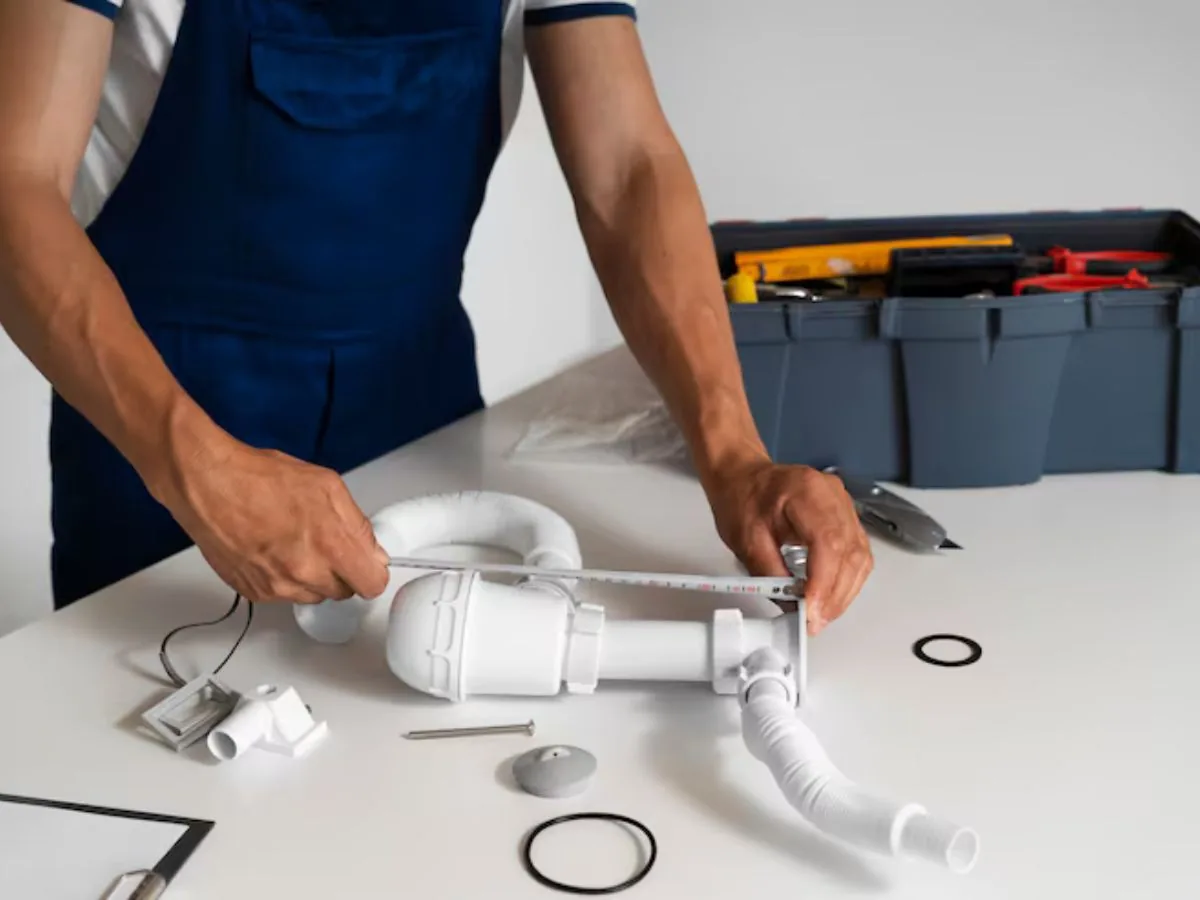
How We Diagnose the Problem
A disposal that hums but doesn't spin typically has a jam that can often be cleared manually once power is safely disconnected. A disposal that's leaking is a different diagnosis entirely, leaks from the top usually mean a failed sink flange seal, while leaks from the bottom or side of the unit itself usually mean the housing has cracked or corroded internally and the unit needs replacement.
Signs You Need This Service
- A humming sound when switched on, but the blades don't spin
- Water leaking from underneath the sink near the disposal unit
- Unusual grinding or rattling noise during operation
- A disposal that trips the circuit breaker repeatedly
- Persistent odor from the disposal that cleaning doesn't resolve
Garbage Disposal Repair & Installation Pricing & What Affects It
Clearing a jam or replacing a flange seal is inexpensive. A disposal with a failed housing or motor is more cost-effective to replace outright than repair, given how affordable standard replacement units are relative to the labor involved in attempting an internal repair.
Jam Clearing vs. Replacement
A jammed disposal can often be freed using the reset button and, if needed, an Allen wrench inserted into the bottom of the unit to manually rotate the flywheel, but this should only be attempted with power fully disconnected, and if jams are recurring rather than a one-time event, that points to a motor or bearing issue worth having assessed.
Leaks: Top Seal vs. Unit Failure
A leak at the top of the disposal, where it meets the sink flange, is usually a simple seal replacement. A leak from the body of the unit itself, however, means water is getting into places it shouldn't inside a sealed unit, a sign of internal failure that repair generally can't reliably fix, making replacement the more sensible option.
What Not to Put Down a Disposal
Fibrous vegetables (celery, corn husks), grease, and coffee grounds are common causes of premature disposal wear and jamming, not because the disposal can't technically handle them once, but because they contribute to buildup and strain on the motor and blades over repeated use.
Circuit Breaker Trips as a Warning Sign
A disposal that repeatedly trips its circuit breaker is often struggling against a jam or a failing motor drawing more current than it should, resetting the breaker without addressing the underlying cause just delays the same trip from happening again, and repeated trips can be a sign the motor itself is nearing failure.
Disposal Odor and What It Usually Means
A persistent odor that doesn't clear up with regular cleaning is often trapped food debris lodged in areas a simple rinse doesn't reach, or, less commonly, a developing leak allowing organic matter to accumulate somewhere it shouldn't. Ice cubes and citrus peels run through a working disposal can help with routine odor, but a persistent smell after that is worth having looked at rather than assumed to be a normal quirk of the unit.
Continuous-Feed vs. Batch-Feed Disposals
Continuous-feed disposals run as soon as the switch is flipped, while batch-feed models activate only once a stopper is placed and turned, which some households prefer for safety around children. Replacing one type with the other during installation involves different switching and mounting requirements, which is confirmed before the swap rather than assumed to be a direct match.
Disposal Horsepower and Household Needs
Disposal motors range from around one-third horsepower for light residential use up to a full horsepower or more for heavier use, a larger household or one that cooks frequently generally benefits from a higher-horsepower unit that jams less often and handles tougher scraps more reliably.
Frequently Asked Questions
Only after the unit is fully disconnected from power, never attempt to clear a jam with the disposal plugged in or the switch accessible.
Most units last around 8 to 12 years with normal use, though usage habits and what's put down the disposal affect that significantly.
Yes, assuming the sink and existing plumbing and electrical setup can accommodate one, this is confirmed during the initial assessment.