Commercial Plumbing in San Marcos, CA
Commercial plumbing covers the higher-demand, higher-stakes side of the trade, restaurants, retail spaces, offices, and multi-unit properties where a plumbing failure doesn't just inconvenience one household, it can shut down a business or affect multiple tenants at once.
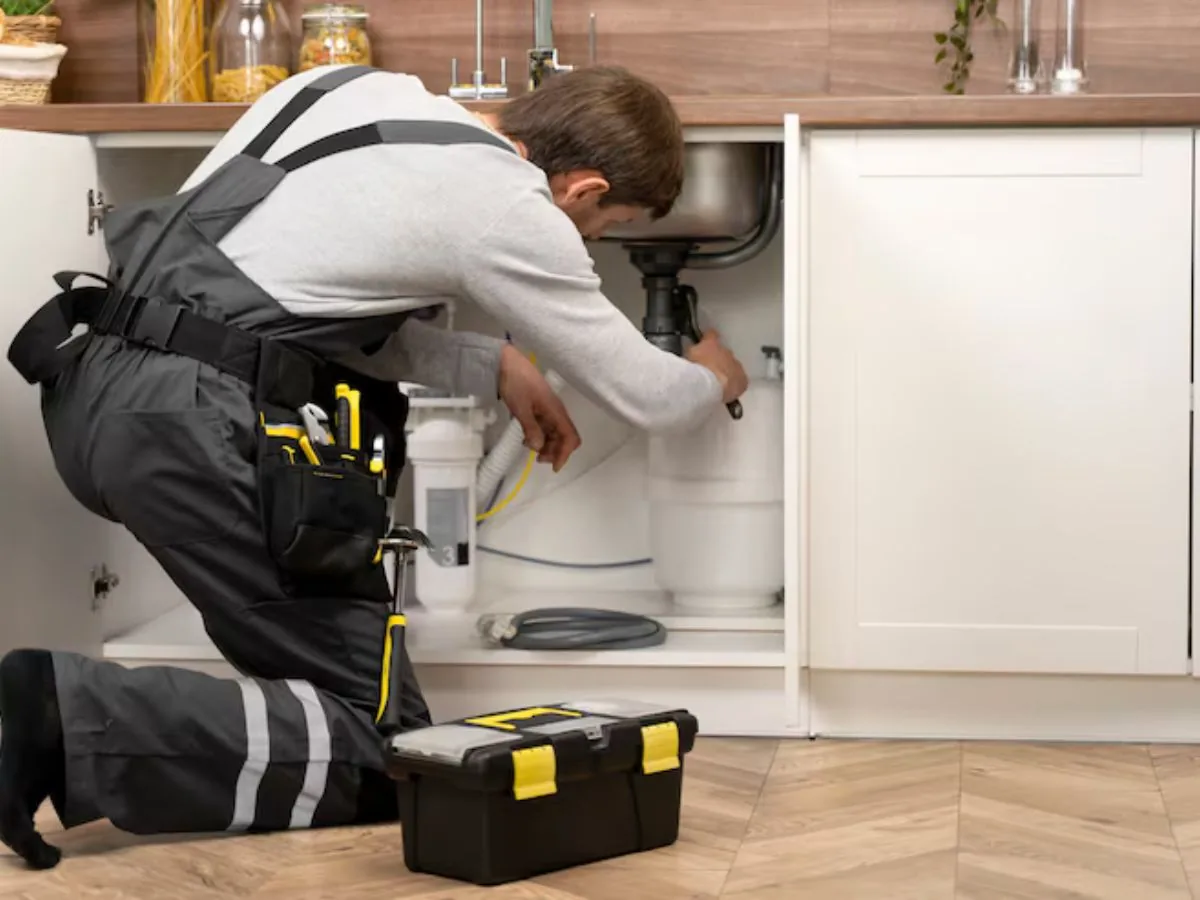
How We Diagnose the Problem
Commercial systems are typically larger and more complex than residential setups, multiple fixture groups, grease interceptors for food service, and sometimes shared infrastructure across multiple tenants. Diagnosing an issue means understanding not just the immediate symptom but how the building's plumbing is actually laid out, which can differ significantly from a straightforward single-family home.
Signs You Need This Service
- Slow drains affecting multiple fixtures across the property
- A grease interceptor that hasn't been serviced on schedule
- Water pressure issues affecting multiple units in a shared building
- A fixture or system failure that's disrupting business operations
- Aging infrastructure in an older commercial building that's due for evaluation
Commercial Plumbing Pricing & What Affects It
Commercial work is generally quoted based on scope and after-hours urgency, since many commercial clients need work scheduled around business hours to avoid disrupting operations. For food service specifically, code compliance around grease interceptors and backflow prevention factors into both the scope and the quote.
Restaurant and Food Service Plumbing
Grease interceptors require regular servicing to prevent buildup that can back up an entire kitchen's drain lines, and most jurisdictions require documentation of that servicing for health code compliance. This is one of the most common recurring commercial plumbing needs, and one where falling behind on schedule tends to cause the most disruptive emergency calls.
Multi-Tenant and Shared Infrastructure
In multi-unit commercial buildings, plumbing issues in one unit can sometimes originate from shared lines serving multiple tenants, which changes both the diagnostic approach and who's responsible for the repair. Identifying whether an issue is isolated to one unit or part of the shared system is an early step in any commercial diagnostic call.
Scheduling Around Business Hours
Non-emergency commercial work is often scheduled during off-hours or slower business periods specifically to avoid disrupting operations or customer-facing areas, that scheduling flexibility is part of what distinguishes commercial service from typical residential dispatch.
Preventive Maintenance Contracts
Many commercial clients move to a scheduled maintenance arrangement rather than calling only when something breaks, periodic inspection of fixtures, water heaters, and grease interceptors catches smaller issues before they become the kind of failure that shuts down a customer-facing area during business hours.
Older Commercial Buildings in San Marcos
Commercial properties built decades ago sometimes carry the same aging infrastructure concerns as older residential buildings, original galvanized supply lines or cast-iron drain lines that are approaching or past their expected service life, which is worth a proactive evaluation rather than waiting for a failure during business hours.
Working With Building Codes for Commercial Properties
Commercial plumbing work is typically subject to a different, often more stringent, code standard than residential work, covering things like backflow prevention on larger connections, grease interceptor sizing for food service, and ADA-compliant fixture requirements in customer-facing restrooms. Confirming what applies to your specific property type and use is part of scoping any commercial job correctly from the start.
Tenant Improvement Plumbing
When a commercial space changes hands or a tenant builds out a new use for an existing space, converting retail to a restaurant, for example, plumbing infrastructure often needs significant modification to support the new use's demands, from added fixture groups to grease interceptor installation where none existed before. This is typically identified early in the tenant improvement planning process rather than discovered mid-buildout.
Emergency Response for Commercial Clients
A plumbing failure that shuts down a customer-facing area or a food service kitchen carries direct revenue impact for every hour it's unresolved, which is why commercial emergency calls are treated with the same urgency as a residential burst pipe, just scaled to a larger system and often a more complex diagnostic picture given shared infrastructure and multiple fixture groups involved.
Frequently Asked Questions
Yes, ongoing service relationships with property managers or business owners managing multiple locations are a normal part of commercial work.
In most cases yes, scheduling around business hours is common for non-emergency commercial work, and that's discussed when the job is booked.
Yes, including the regular servicing and documentation needed for full health code compliance and inspection readiness.