A slab leak is one of the more unsettling plumbing problems a homeowner can run into, mostly because the symptoms don't point directly at the cause. Water is leaking somewhere under your home's concrete foundation, but what you actually notice on the surface can be easy to dismiss as something else entirely.
The Warm Spot That Isn't Just a Sunny Patch of Floor
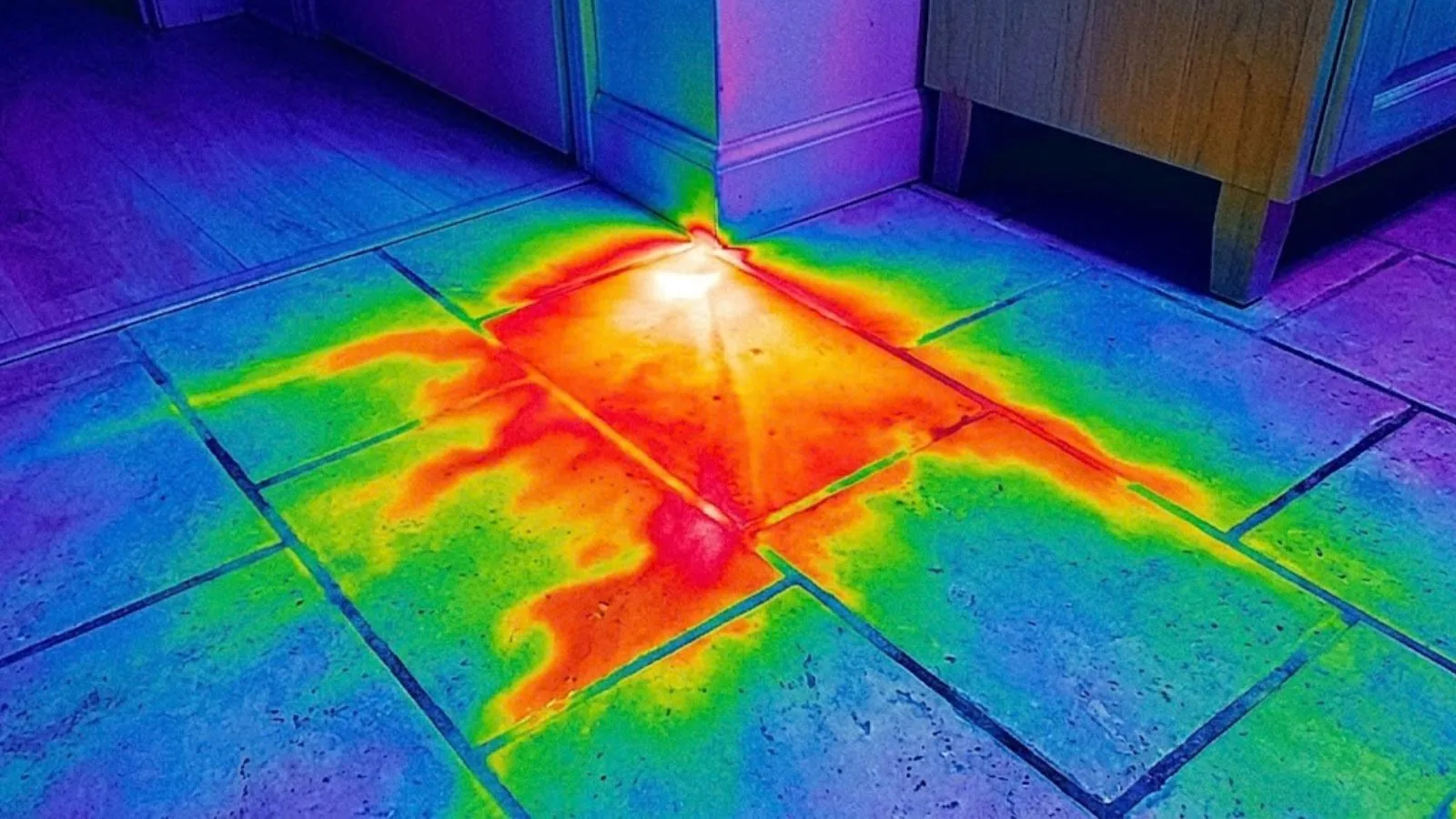
If a hot water line is the one that's leaking, the escaping hot water heats the surrounding concrete, and that heat transfers up through your flooring. A warm patch on tile or hardwood, in a spot that has no obvious reason to be warmer than the rest of the room, is one of the more distinctive slab leak signs, it's genuinely hard to explain any other way once you've ruled out direct sunlight or a nearby heating vent.
Your Water Bill Is Telling You Something
A slab leak, even a small one, runs continuously, it doesn't turn off when you're not home or asleep. That constant flow adds up over a billing cycle in a way that's often the first concrete evidence something is wrong, especially if your household's actual water usage hasn't changed. A water bill that's climbed 20, 30, or more percent with no clear explanation is worth investigating rather than assuming it's a rate increase.
The Meter Test You Can Do Yourself
Before calling anyone, there's a simple test that can at least confirm whether water is leaking somewhere in your system at all. Turn off every fixture in the house, make sure nothing is running (including ice makers and irrigation), and check your water meter. If the meter's leak indicator is spinning or the reading changes over a 20-30 minute period with everything off, water is going somewhere it shouldn't. This doesn't confirm a slab leak specifically, it could be elsewhere in the system, but it's a useful first data point before booking a professional leak detection visit.
Sound Is a Real Diagnostic Clue
In a genuinely quiet room, with everything in the house turned off, some people can actually hear a slab leak, a faint hissing or the sound of running water coming from the floor itself. It's not always audible, and it depends on the leak's size and your home's flooring, but if you notice it, that's a meaningful clue for wherever the leak actually turns out to be located.
Why You Shouldn't Guess at the Location
The natural instinct when you find a warm spot is to assume the leak is directly underneath it, but water under a slab can travel a real distance along the underside of the concrete before finding a crack or gap to surface through. That's exactly why proper slab leak detection uses acoustic and thermal equipment rather than just cutting into the floor where the symptom showed up. Guessing wrong means unnecessary demolition in the wrong spot and the leak still unaddressed.
What Happens If You Wait
Beyond the water bill, an unaddressed slab leak can eventually affect the soil supporting your foundation in more serious cases, and it will continue saturating whatever flooring and framing material sits above it for as long as it runs. Persistent moisture is also a mold risk once it's been present for more than a day or two. None of this happens overnight, which is part of why slab leaks are easy to put off, but the math on cost and disruption gets worse the longer one runs, not better.
Hot Water Lines Fail More Often Than Cold
If you're trying to guess which line is more likely to be the source before any equipment confirms it, hot water lines under a slab fail more often than cold ones. Part of the reason is the repeated expansion and contraction that comes with temperature cycling over years of use, which gradually stresses the pipe at its weakest points, often at soldered joints in copper plumbing. This is also why a genuinely warm spot on the floor is often the single most reliable early indicator available to a homeowner without any special equipment, since it specifically points toward a hot line leak rather than requiring you to guess between hot and cold.
Older Homes on Copper Slab Plumbing
Homes built with copper supply lines poured directly into the slab, common in several construction eras across San Diego County, face a specific added risk as that copper ages: the pipe sits in direct, sustained contact with concrete and surrounding soil, and certain soil conditions can accelerate external corrosion on the pipe's exterior surface over enough decades, separate from and in addition to any internal corrosion from hard water. A home of this construction type showing early slab leak signs is often not dealing with an isolated, one-off event, since the same aging pipe elsewhere under the slab has been exposed to the same conditions for the same amount of time.
Repair vs. Rerouting the Line Entirely
Once a slab leak is located, there are generally two paths forward: a direct spot repair accessed through a targeted core drill at the exact leak location, or rerouting the affected line entirely through the attic or an accessible wall cavity to bypass the damaged slab section altogether. Homes with a documented history of more than one slab leak on the same line tend to lean toward rerouting, since it addresses the risk of a second failure on the same aging run rather than repairing one point and leaving the rest of that line's age and condition unchanged.
If you're seeing any combination of these signs, a warm floor spot, a climbing water bill, or the sound of running water with everything off, it's worth having it looked at rather than waiting to see if it resolves on its own. It won't.
Need a Plumber in San Marcos?
San Marcos Express Plumbing dispatches throughout San Marcos and the surrounding North County inland San Diego County area, 24/7 emergency dispatch.
Call (760) 986-1999