San Marcos doesn't see the kind of sustained rainy season that other parts of the country plan their whole year around, which is exactly why local homes are sometimes less prepared for it than you'd expect. When the rain does come, usually concentrated into a handful of storms each winter, plumbing and drainage systems that haven't been checked in a while can turn a normal storm into a genuine water intrusion problem.
Check Your Sump Pump Before You Need It
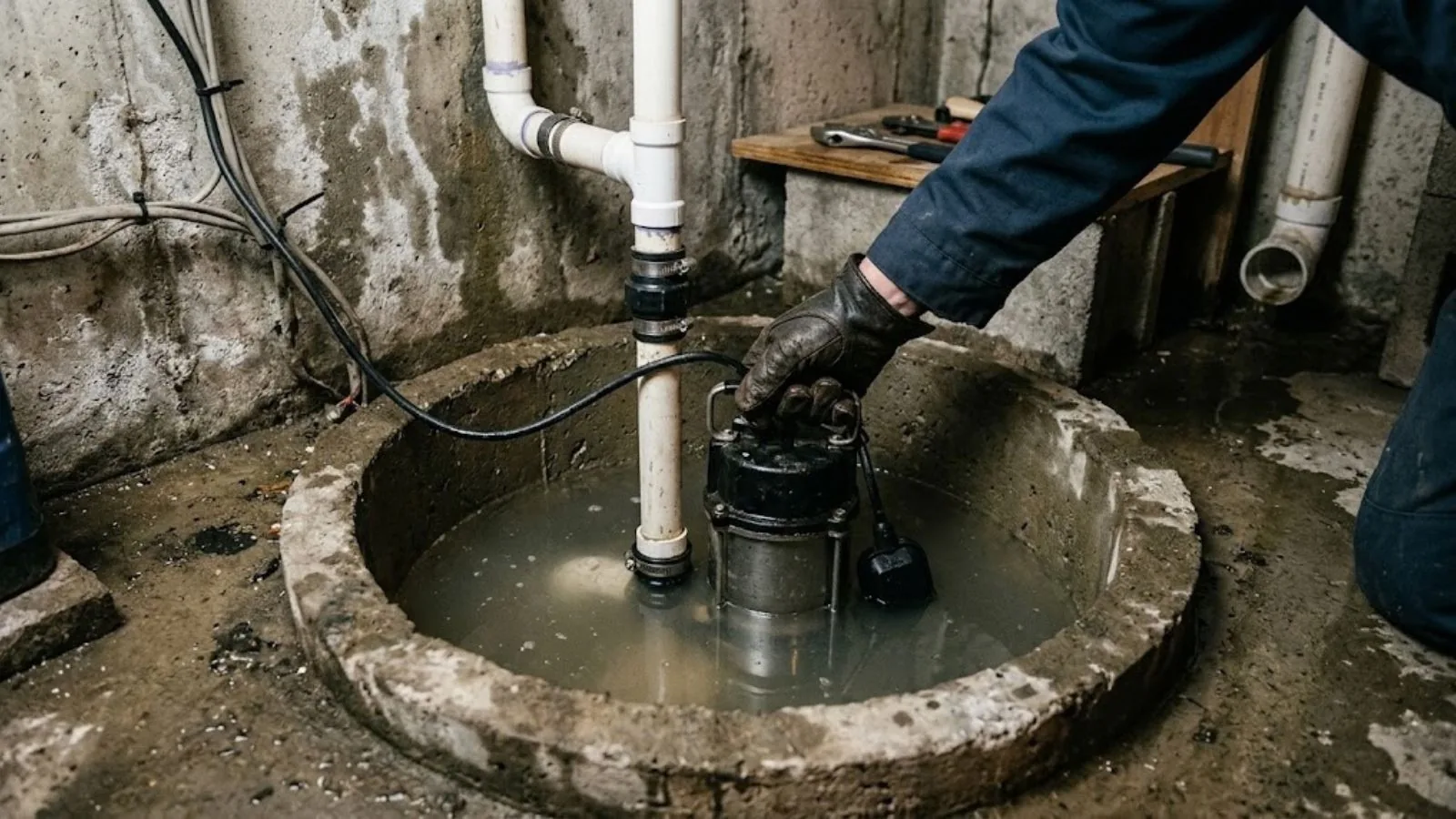
If your property has a sump pump protecting a low-lying area, testing it before the rainy season starts is worth the ten minutes it takes, pour water into the pit and confirm the pump activates and clears it properly. A pump that's been sitting unused since last year's rain can develop a stuck float switch or a seized motor without any warning until the moment you actually need it. If you don't have one and your property has a history of water intrusion during storms, that's worth evaluating before the season starts rather than during the first storm.
Confirm Your Exterior Drainage Is Actually Clear
Storm drains, gutters, and downspouts that have accumulated debris over a dry summer and fall don't announce themselves as a problem until water has nowhere to go. Clearing these before the rainy season, not during the first storm, prevents water from pooling against your foundation, which is one of the more common paths for water to find its way into a home during heavy rain.
Know Where Your Main Shutoff Valve Is
This isn't specific to rain, but it matters more when storms increase the odds of a plumbing issue coinciding with reduced visibility or difficulty accessing your property. Knowing exactly where your main water shutoff valve is, and confirming it actually turns, before you're standing in an active leak trying to find it for the first time, is a small step that saves real time in an actual emergency.
Older Roofs and Slab Homes See Different Risks
A home with an older roof is more likely to develop a leak during sustained rain than one with recent roofing work, and that water can travel before it shows up as an obvious ceiling stain, worth a proactive look if your roof is due for attention regardless of plumbing. Slab-foundation homes, common throughout San Marcos, don't have a crawlspace to catch water intrusion the way a raised foundation might, which means water finding its way in tends to show up directly on interior flooring rather than being caught underneath first.
If Water Does Get In
Despite reasonable preparation, water intrusion during a significant storm still happens, and when it does, response speed matters more than almost anything else. Water damage restoration addresses the extraction and drying that follows any significant water event, and starting that process within hours rather than days meaningfully reduces both material damage and mold risk compared to letting affected areas sit wet.
None of this requires major investment for most San Marcos homes, it's mostly a matter of checking a handful of things before the rain arrives rather than after, since the difference between a prepared and unprepared home during a real storm often comes down to whether these basic steps were taken in the dry months beforehand.
Why Slab Foundations Change the Picture
Most San Marcos homes sit on slab foundations rather than raised foundations with a crawlspace underneath, and that construction style changes how water intrusion during a storm actually presents itself. A raised foundation gives water somewhere to go, and sometimes pool, before it reaches living space, which can buy time to notice and address it. A slab foundation offers no such buffer, so water finding its way in during a storm, whether through a roof leak, a window seal, or a grading issue directing water toward the foundation, tends to show up directly on interior flooring with essentially no warning period in between.
A Simple Pre-Season Checklist
Beyond the sump pump and gutter checks already covered, a few additional items round out a reasonable pre-rainy-season routine: confirming exterior door thresholds and window seals haven't degraded since last season, checking that the grading immediately around your foundation still slopes water away from the house rather than toward it, and locating (or relocating if needed) any irrigation controllers or exposed electrical connections that could be affected by heavy runoff. None of these take more than a few minutes individually, but together they meaningfully reduce the odds of an unpleasant surprise during the season's first real storm.
What a Genuinely Heavy Storm Season Can Reveal
An unusually wet winter, which San Diego County does experience periodically even if most years are drier, tends to reveal weaknesses in a home's drainage and plumbing that a typical light rainy season never tests. A grading issue that's never caused a problem in years of modest rain can become a real water intrusion source during a genuinely heavy, sustained storm system. This is part of why the basic pre-season checks are worth doing every year regardless of the previous year's weather, since a mild season doesn't confirm a home's drainage is actually sound, it just means it hasn't yet been tested by conditions severe enough to expose a weakness.
After the Storm Passes
Once a significant storm has moved through, a brief walkthrough of the property, checking the same areas you prepared before the season started, confirms whether everything held up as expected. Standing water that hasn't drained within a reasonable time, any new dampness in areas that were dry before, or a sump pump that ran more than expected are all worth a closer look rather than simply being relieved the storm has passed and moving on without checking.
Need a Plumber in San Marcos?
San Marcos Express Plumbing dispatches throughout San Marcos and the surrounding North County inland San Diego County area, 24/7 emergency dispatch.
Call (760) 986-1999